

Are You Wearing 'Blokecore' Wrong? The Real Football Fan's Guide to Calcio Streetwear
Let's get something straight: if you can't name the year Totti scored that chip against Inter, you're just wearing a costume.
The internet has turned blokecore into another aesthetic to collect like Pokémon cards: right alongside cottagecore, dark academia, and whatever else TikTok is serving this week. But here's the uncomfortable truth that needs to be said: football culture isn't a vibe you can adopt between your morning latte and your afternoon pilates class.
It's a lived religion. And the terraces can smell a tourist from a mile away.
The Blokecore Breakdown: What It Actually Means
Blokecore didn't emerge from a fashion runway or a carefully curated Pinterest board. It was born in the stands of British and European football stadiums in the '90s: a beautiful collision of working-class passion, oversized tracksuits, and the kind of loyalty that makes you question your life choices every Sunday morning.
The foundation was simple: vintage football jerseys worn loose over faded denim, bucket hats pulled low, and trainers that had seen better days but told better stories. This wasn't about looking good: it was about belonging. About claiming your tribe through colors and crests that meant something deeper than brand recognition.
But somewhere between the Adidas Samba revival and fashion editors discovering "normcore," blokecore got gentrified. Suddenly, people who couldn't tell you the difference between a false nine and a trequartista were dropping £200 on "authentic" vintage kits they'd never wear to an actual match.

The Fashion Tourist Problem
Here's where it gets messy, and where we need to draw some lines in the synthetic turf.
There's a specific breed of blokecore enthusiast who treats football heritage like a prop in their Instagram aesthetic. They'll rock a pristine 1998 France jersey with designer jeans and Chelsea boots, caption it with something about "vintage vibes," and have absolutely zero idea that Zidane's number 10 represented more than just a number: it carried the weight of a nation's immigrant dreams and three World Cup final goals.
They're wearing the uniform without earning the stripes.
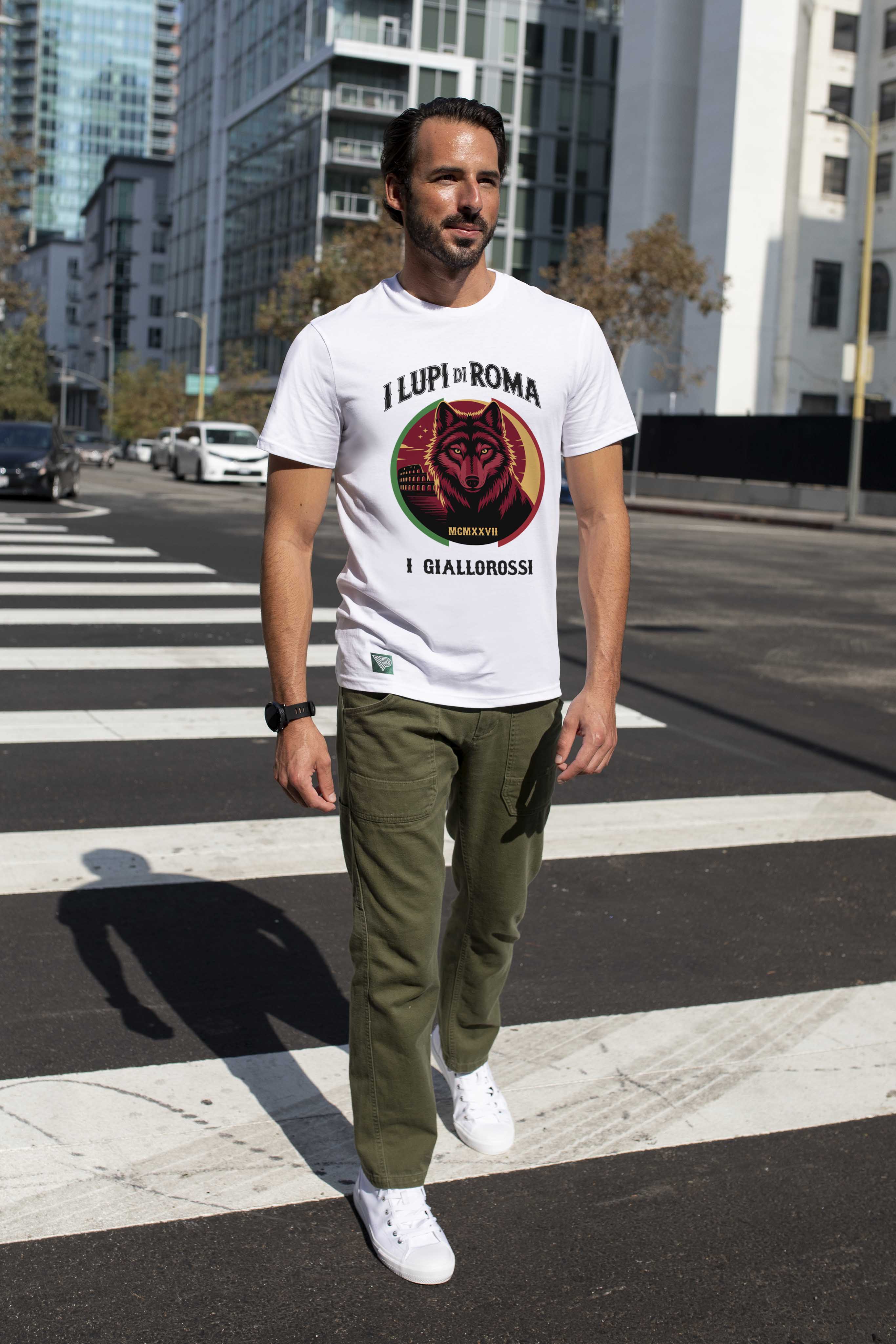
The Italian calcio scene makes this distinction even sharper. In Serie A culture, your colors aren't just fashion: they're blood oath. You don't casually wear Roma one week and Lazio the next because the colorway works better with your new sneakers. That's not fashion flexibility; that's cultural blasphemy.
The Calcio Difference: Where Heritage Gets Serious
Italian football fashion operates on a different frequency than British blokecore. While the Brits pioneered the oversized, comfort-first approach: those baggy fits and utilitarian cargo pants that scream "I've been standing in the rain for 90 minutes": Italian streetwear has always maintained a certain sprezzatura.
That untranslatable Italian word that means making something difficult look effortless.
In Rome, you don't just throw on a Totti jersey. You understand what Il Re di Roma means: that Francesco Totti spent 25 years bleeding giallorosso, that he turned down Real Madrid and could've had his pick of European royalty, but chose loyalty over glory. When you wear his number 10, you're not making a fashion statement. You're pledging allegiance to a philosophy that says some things: home, tradition, your people: matter more than money.

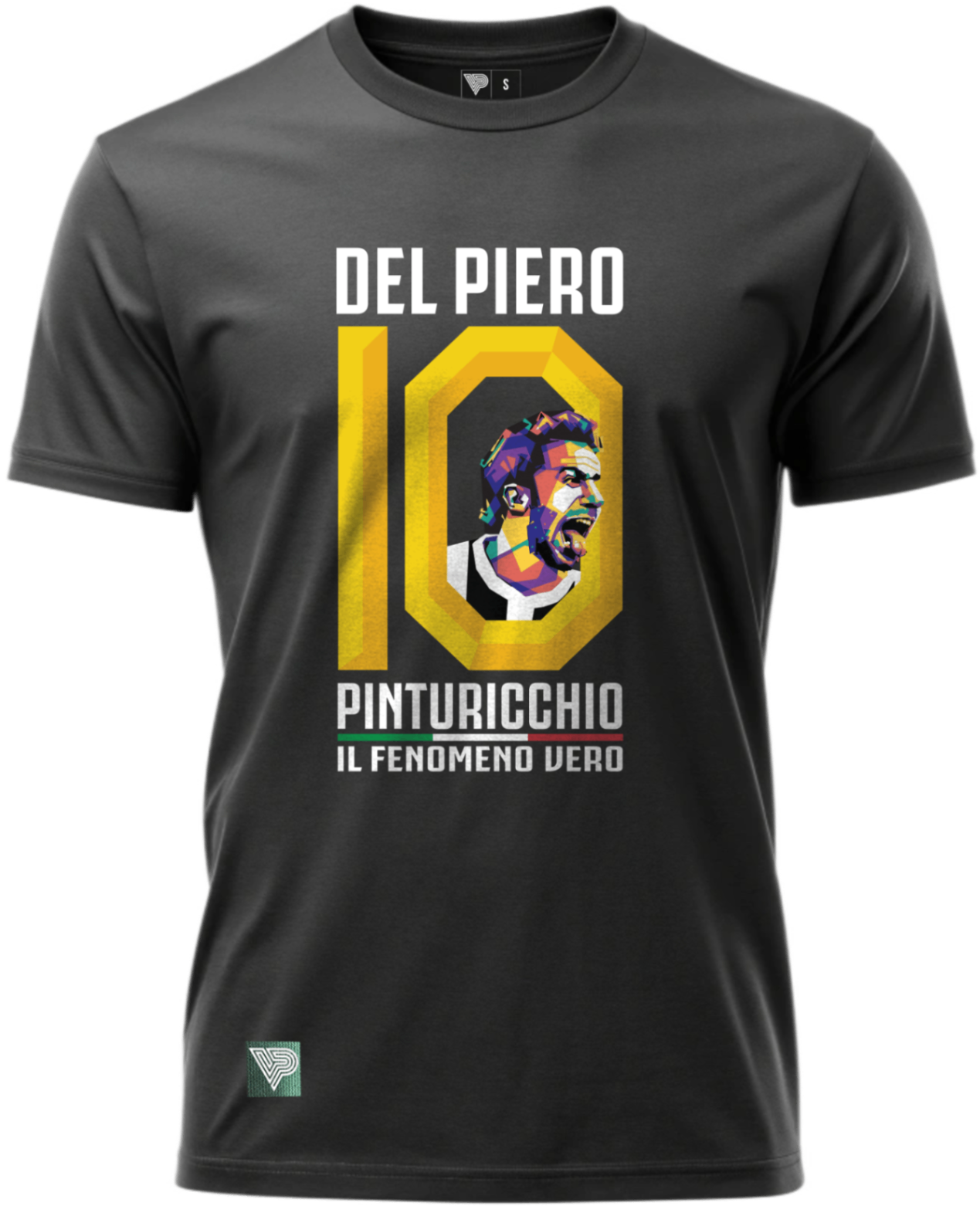
The same applies to Del Piero's Pinturicchio: the little painter who created masterpieces on the pitch for two decades. Or Baggio's divine ponytail and penalty heartbreak in Pasadena. These aren't just cool vintage references. They're the architectural pillars of calcio mythology.
Know Your Legends or Stay Home
This is where authentic blokecore separates from fashion cosplay: you need to know the damn stories.
When you pull on a Del Piero tribute tee, you should be able to explain why Il Fenomeno Vero (the true phenomenon) matters: how he stayed with Juventus through Serie B relegation when everyone expected him to bolt. How his left foot bent physics. How generations of Torinese kids grew up trying to replicate that impossible chip over Buffon in training.
Roberto Baggio's number 10 isn't just a jersey number: it's a meditation on perfection and pain, the Divine Ponytail who gave us transcendent beauty and crushing defeat in equal measure. His penalty miss in the 1994 World Cup Final still haunts Italian dreams, but his Ballon d'Or brilliance at Juventus, Milan, and Inter wrote poetry in three different dialects.
These legends aren't logo placements. They're the difference between wearing history and just wearing fabric.
The Heritage Test: Five Questions That Separate Real From Replica
Before you claim calcio streetwear authenticity, ask yourself:
1. Can you name the stadium? Not just Roma: but where do they actually play? (It's the Olimpico, and if you knew that, you get partial credit.)
2. Do you know the rivalry? Who are the veri nemici: the true enemies? Derby della Capitale isn't just another Sunday fixture; it's Rome's civil war played out on grass.
3. What year was the Scudetto? If you're wearing Totti, you better know 2001. If you're rocking Del Piero, 1995-2003 should roll off your tongue like espresso orders.
4. Can you name one legend who never made the national team? This separates Wikipedia browsers from actual students of the game.
5. Would you wear it to the match? Not to brunch: to the actual curva. If the answer is no because you're worried about getting it dirty, you've already failed.

Where Vintage Pitch Bridges the Gap
Here's the reality: not everyone grew up in the stands of San Siro or spent Sunday afternoons watching Quelli che il Calcio. Some of you discovered Italian football through FIFA ratings or a random Champions League highlight reel at 2 AM.
And that's okay.
What matters is the willingness to learn, to respect, to understand that you're not just buying a t-shirt: you're inheriting a story that began long before you discovered it was trendy.
This is where heritage-driven design becomes crucial. A properly crafted tribute tee should teach you something. The graphics should tell stories: Il Re di Roma crowned above the Colosseum, Pinturicchio painted into the number 10, references to nicknames and moments that make you curious enough to Google them at 11 PM.

The design language matters. Retro Italian striping isn't just aesthetic: it's the DNA of calcio culture. The color blocking, the bold typography, the way the number 10 dominates the composition: these are visual traditions that connect current streetwear back to the kits your father wore in crumbling stadiums decades ago.
The Blokecore Commandments for 2026
As we roll into the World Cup summer and blokecore inevitably explodes again, here's your survival guide for keeping it real:
Wear what you know. If you can't hold a conversation about the player on your chest, leave it in the drawer.
Respect the rivalries. Don't mix Derby enemies in the same wardrobe. Choose a side and die on that hill.
Embrace the imperfection. Blokecore isn't crisp or pristine: it's lived-in, faded, earned through seasons of watching your team break your heart.
Layer with purpose. An oversized coach jacket over a legend tee isn't just about proportions: it's about channeling those '90s casuals who turned stadium fashion into cultural movement.
Know the difference between retro and replica. Modern jerseys are polyester money grabs. Heritage cotton tells stories. Choose accordingly.
The Final Whistle
Blokecore isn't dying: it's just getting exposed. The frauds will move on to the next aesthetic when the algorithm tells them to, and the rest of us will still be here, wearing our colors with the kind of conviction that can't be purchased with a Depop search and a credit card.
Football heritage isn't a costume you can put on for the weekend. It's a commitment to understanding that these legends: Totti, Del Piero, Baggio, and countless others: gave us something more valuable than winning. They gave us identity, mythology, stories worth passing down through generations of fans who understand that some things are bigger than fashion.
So the next time you're tempted to rock that vintage calcio look, ask yourself one question: Are you wearing the culture, or is the culture wearing you?
The terraces will know the answer before you do. 🇮🇹⚽