

The Early 2000s Football Revival: Why Total 90 Graphics and Boxier Fits Are Dominating Streetwear in 2026
We've officially entered the era where your dad's old match-worn Nike Total 90 jersey is worth more than most Supreme drops.
The early 2000s football aesthetic: all chunky fonts, mesh-inspired graphics, gradient fades, and those unapologetically boxy silhouettes: has gone from charity shop fodder to the single most influential design language in contemporary streetwear. Walk through Milan, London, Paris, or Toronto in 2026, and you'll see it: oversized football heritage tees paired with wide-leg trousers, Total 90-inspired graphics layered over technical fabrics, and an entire generation rediscovering what made the Y2K football era so visually untouchable.
This isn't a trend. It's a reckoning. Because while fast fashion spent the last decade chasing minimalism and "quiet luxury," football culture kept its receipts: and now everyone wants a piece of the archive.

The Total 90 Visual Language: Why It Never Really Left
The Nike Total 90 wasn't just a boot or a kit template: it was a complete design philosophy that defined an entire generation of football. Those angular fade graphics that wrapped around sleeves and shoulders? The mesh-texture patterns that suggested performance without spelling it out? The gradient transitions from deep navy to electric blue, from crimson to neon yellow? That was football's Y2K moment, and it hit different because it wasn't trying to be timeless. It was bold, futuristic, and completely unafraid of looking dated in a decade.
Except it didn't age poorly. It aged into icon status.
The Total 90 aesthetic carried weight because it was worn by the right legends at the right time. Ronaldinho in that gradient Barcelona third kit. Rooney in the Manchester United training gear with the angular shoulder panels. Serie A clubs experimenting with wild colorways that would never fly in today's corporate-approved design committees. These weren't just kits: they were cultural artifacts that captured football at its most expressive, before everything got smoothed out and focus-grouped into oblivion.
What makes the Total 90 visual language so relevant in 2026 is its refusal to apologize. It's loud. It's geometric. It's unmistakably blokecore in spirit but elevated through genuine design innovation. The mesh-inspired textures and gradient patterns weren't just decorative: they were Nike's way of bridging performance technology and street-level swagger. And that balance? That's what modern streetwear is desperately trying to recapture.

The Boxier Fit Revolution: How Oversized Became Authentic
Let's talk about the silhouette shift that's redefining how we wear football-inspired apparel in 2026.
For too long, football merch was trapped in this weird middle ground: not quite fitted enough to be fashion, not quite oversized enough to be comfortable. But the early 2000s Total 90 template got it right without even trying. Those distinctive shoulder panels that wrapped around the back? The classic V-neck collar insert that added structure without constriction? The slightly dropped hem that created a boxy, rectangular shape? That wasn't a design choice: it was how football kits were actually cut when performance and style were allowed to coexist without corporate interference.
Fast-forward to 2026, and that boxier fit has become the gold standard for retro matchday t-shirts and heritage-inspired apparel. Why? Because it looks good on everyone. The oversized, structured silhouette doesn't cling: it hangs with intention. It pairs effortlessly with everything from straight-leg denim to tailored trousers to joggers. And most importantly, it feels authentic to the era it's referencing rather than trying to retrofit 2000s graphics onto modern slim-fit templates.
The beauty of the boxy fit is its democratic versatility. You're not squeezing into something that only looks good on one body type. You're wearing a shape that prioritizes comfort, movement, and that relaxed confidence that defined early 2000s football culture. It's the visual difference between someone who understands the reference and someone just chasing a trend.
Why 2026 is the Total 90 Moment
Here's the thing: the Total 90 revival isn't happening in a vacuum. It's part of a broader cultural shift toward rejecting the bland, logo-free minimalism that dominated the 2010s and early 2020s. People are tired of looking like they walked out of a Scandinavian design catalogue. They want personality. They want color. They want graphics that actually mean something.
Nike understood this earlier than most, which is why they've expanded the Total 90 aesthetic beyond nostalgic re-releases into a full-blown design system. Elite clubs like Barcelona, Chelsea, PSG, Inter Milan, and Atlético Madrid got Total 90-inspired third kits in 2025. But the real genius move? Expanding into tracksuits with asymmetric patterns, pre-match jerseys with vintage Nike logos, and a dedicated teamwear template that launched in January 2026. This isn't a limited-edition cash grab: it's Nike embedding the Total 90 visual language across their entire football lifestyle catalogue.
And the streetwear world is eating it up. Because unlike generic "vintage-inspired" drops that just slap a retro logo on a blank tee, the Total 90 aesthetic comes pre-loaded with cultural credibility. It's not cosplaying nostalgia: it's continuing a design lineage that never actually stopped being cool to the people who know.

Styling the Early 2000s Football Revival in 2026
So how do you wear this aesthetic without looking like you're stuck in a time warp or, worse, like you bought a "retro" shirt from a fast fashion brand last week?
First rule: prioritize authentic design language over literal reproduction. A football heritage tee that uses Total 90-inspired graphics, gradient fades, and mesh textures will always look better than an actual vintage kit if the construction and fit are right. The goal isn't to dress like it's 2003: it's to channel that era's creative fearlessness through contemporary silhouettes.
Second: embrace the boxier fit but balance it with structure elsewhere. Pair your oversized Total 90-inspired tee with straight-leg or slightly tapered trousers. Add a crisp pair of retro trainers (Tiempo Legends, Air Max 95s, even Samba-adjacent silhouettes work). Layer a nylon track jacket over the top if you're going for full blokecore energy, but keep colors cohesive: let the graphics do the talking.
Third: understand the details that separate premium from pastiche. The shoulder panel construction. The V-neck collar insert. The gradient transitions that follow the body's natural lines rather than just slapped across the chest. These are the micro-details that tell people you actually get it.

And most importantly: wear it with the confidence of someone who understands the cultural weight behind the aesthetic. This isn't costume. It's continuation. The early 2000s football era wasn't precious about heritage: it was bold, experimental, and unapologetically expressive. That's the energy you bring when you put on a blokecore t-shirt with Total 90-inspired graphics in 2026.
The Vintage Pitch Philosophy: Heritage Without the Museum Treatment
At Vintage Pitch, we've always believed that football heritage belongs in the streets, not behind glass. Our Serie A Icons collection and Legends Pitch vintage tees channel the same design philosophy that made the Total 90 era so visually powerful: bold graphics, authentic color palettes, and silhouettes that honor the past without being trapped by it.
The early 2000s taught us that football apparel could be expressive, experimental, and genuinely cool without sacrificing its connection to the pitch. That's the blueprint we're following in 2026. Not reproduction: reinterpretation. Not nostalgia for nostalgia's sake: cultural continuation with intention.
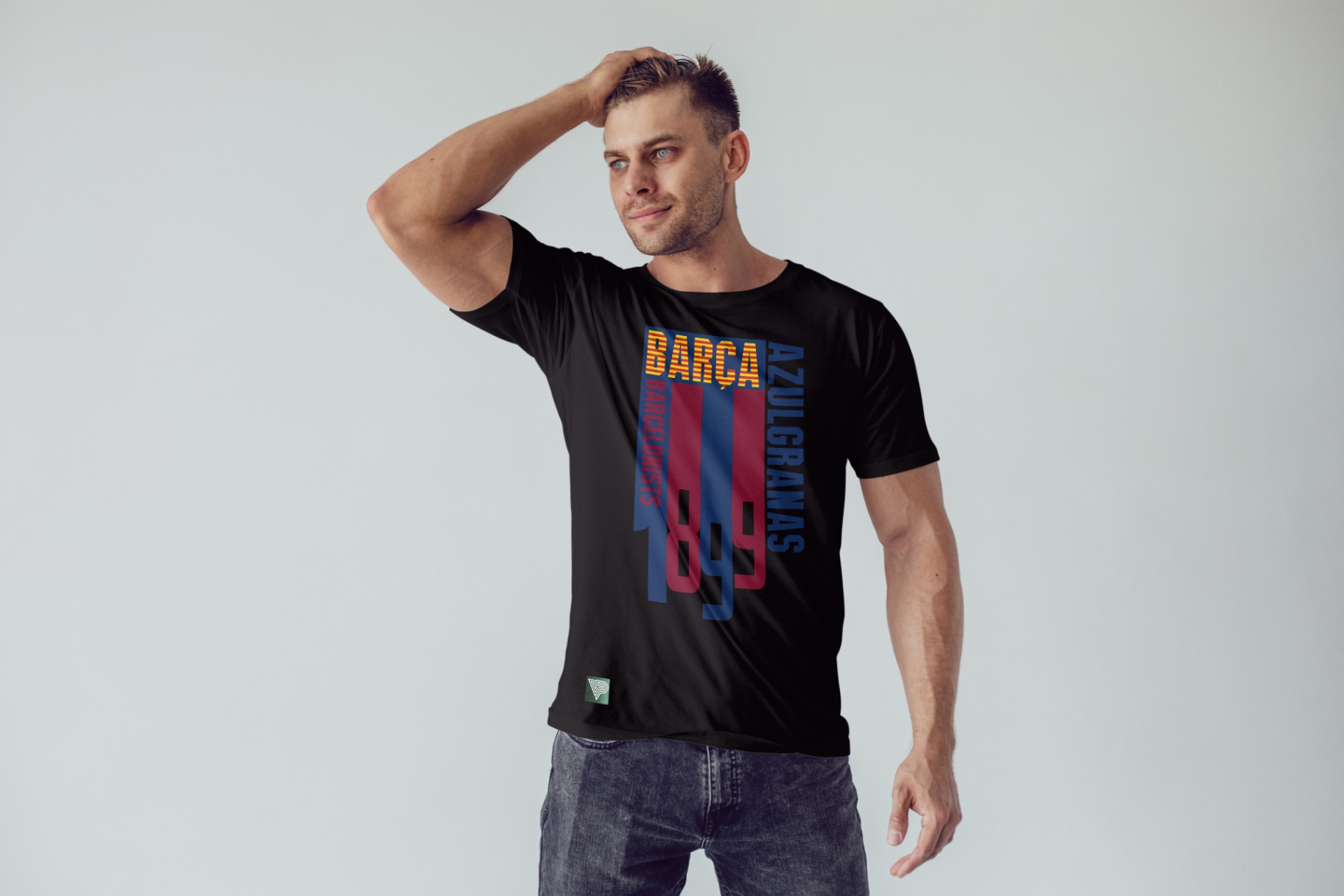
Because here's the truth: the Total 90 aesthetic dominates streetwear in 2026 because it represents everything contemporary fashion forgot how to do. It's bold without being performative. It's designed with purpose rather than algorithm-tested into mediocrity. It bridges sport and style without apologizing for either. And most crucially: it looks like it actually belongs to football culture rather than borrowed from it for a season.
The Y2K football revival isn't about looking backward. It's about recognizing that sometimes the future was already designed twenty years ago: we just needed to catch up to it. Those gradient fades, mesh-inspired patterns, and unapologetically boxy silhouettes? They're not retro. They're right now. And if you're still sleeping on the Total 90 visual language in 2026, you're already behind.
The beautiful game never stopped being beautiful. We're just finally dressing like we understand that again. ⚽️