

Blokecore T-Shirt vs. Calcio Culture Apparel: Which Look Actually Respects Football's Roots?
There's a new bloke in town, and he's wearing a vintage football shirt he bought off TikTok.
He pairs it with Sambas, baggy Levi's, and the kind of confidence that comes from watching a 45-second reel about "90s terrace culture." He looks good: there's no denying that. But here's the uncomfortable truth: he couldn't tell you a single thing about the club on his chest, the player on his back, or the season that shirt represents.
Welcome to blokecore: the fashion trend that borrowed football's soul and turned it into a mood board.
Now, before the pitchforks come out, let's be clear: there's nothing inherently wrong with blokecore. It's brought football aesthetics into the mainstream, made vintage jerseys cool again (as if they ever weren't), and introduced a new generation to the beauty of retro sportswear. But there's a difference between wearing football and living football. And that difference? That's where calcio culture apparel lives.
What Is Blokecore, Really?
Blokecore emerged from the depths of British pub culture, Britpop nostalgia, and the eternal coolness of lads like Liam Gallagher throwing on a City shirt before heading to the studio. It's the aesthetic of the everyman: trackies, vintage jerseys, pints, and match days that may or may not actually involve attending a match.
The trend celebrates 70s, 80s, and 90s football fan style: Adidas Gazelles, retro kits, Stone Island jackets, and that effortlessly disheveled look that says "I woke up like this" (but actually spent 20 minutes perfecting it). It's been co-opted by high fashion, TikTok influencers, and streetwear brands who see dollar signs in nostalgia.
And look: there's beauty in that. Blokecore has made football fashion accessible. It's introduced people to the visual poetry of classic kits. But here's where it stumbles: it treats football heritage like a costume, not a culture.

The blokecore t-shirt doesn't ask you to know the story. It doesn't care if you understand why that crest matters, why those colors bleed together in a city's veins, or what that number on the back represents. It's fashion borrowing from football: not football expressed through fashion. There's a difference.
Enter Calcio Culture: Where Stories Live in Fabric
Calcio culture apparel isn't a trend: it's a love letter written in cotton and ink.
It's the understanding that when you wear a shirt celebrating Del Piero, you're not just nodding to a number 10. You're honoring Il Pinturicchio: the artist who painted masterpieces across the San Siro grass, who carried Juventus on his back through Calciopoli, who stayed when everyone else fled. You're wearing loyalty, defiance, and 19 years of magic distilled into a single image.
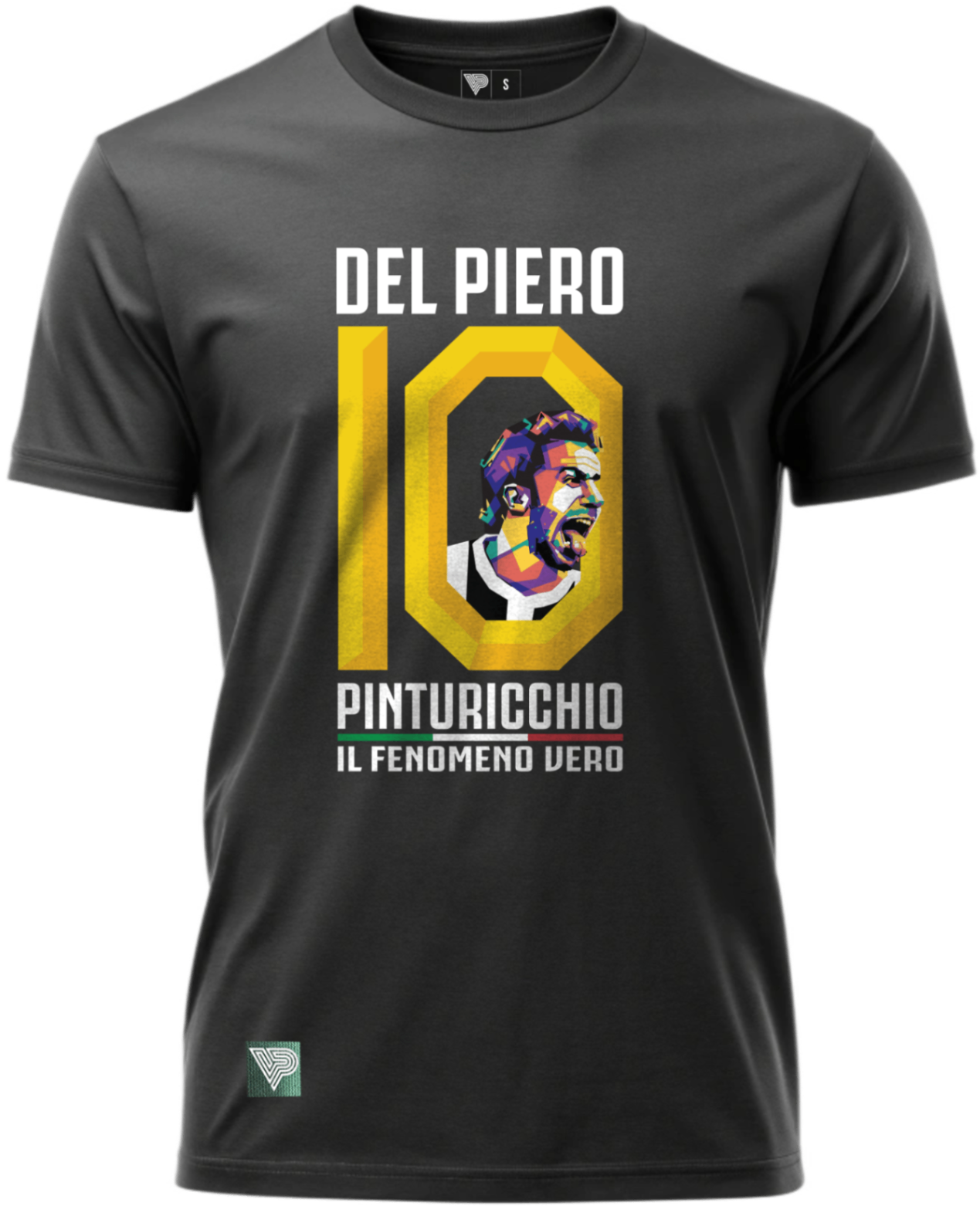
Calcio culture apparel doesn't just reference football: it breathes it. Every design choice is intentional. Every color placement honors a specific moment. Every phrase printed in Italian isn't there for exotic flair: it's there because that's the language of the curva, the chant, the heartbreak, and the triumph.
Take our Carbonara & Calcio collection. This isn't just "mixing food and football" for quirky points. It's recognizing that in Rome, on match day, you gather around the table first: carbonara steaming, wine flowing, family arguing about formations: before heading to the Olimpico. The meal is the ritual. The food is the culture. You can't separate them any more than you can separate the Colosseum from the city's skyline.
This is what calcio culture apparel understands: football isn't just a sport: it's the fabric of life in these cities.
The Storytelling Difference
Here's where blokecore and calcio culture diverge completely.
A blokecore t-shirt says: "This looks cool."
A football heritage tee says: "This means something."
When Vintage Pitch designs a shirt celebrating the Derby d'Italia, it's not just slapping Inter and Juventus logos together because rivalry = engagement. It's honoring Italy's greatest footballing feud: the North vs. North battle that's given us Ronaldo's tears, Materazzi's madness, and a century of beautiful, bitter football. It's pasta and tomatoes and black-and-blue serpents and old gold stripes, all colliding in a design that you either get or you don't.

The person wearing authentic calcio culture apparel doesn't need to explain it to their mates. They know. They've lived it. They've watched their nonno scream at the television, they've snuck into the curva as teenagers, they've painted their face in club colors and lost their voice singing anthems that have been passed down for generations.
Blokecore borrows the aesthetic. Calcio culture is the aesthetic.
Why Heritage Matters More Than Hype
Fashion trends come and go. Blokecore will eventually fade into whatever the algorithm decides is next: maybe "rugby lad chic" or "vintage cricket core." But calcio culture? That's eternal.
Because it's not built on what's trending: it's built on what's true. When you wear a Serie A icons vintage t-shirt, you're not chasing a vibe. You're wearing history. You're carrying forward the legacy of Baggio's divine ponytail, Totti's selfie celebration, Maldini's impossible elegance, and Buffon's superhuman reflexes.
These aren't just players: they're cultural icons who transcend sport. And when their stories are told through apparel, it's not merchandising. It's preservation.

Authentic storytelling through apparel matters because it respects the source. It doesn't flatten football's complexity into a single aesthetic filter. It acknowledges the politics, the passion, the regional pride, the family feuds, the generational loyalty that makes football the world's most beautiful game.
You can't fake that with a mood board.
How to Spot the Difference
Still not sure if you're looking at a blokecore t-shirt or genuine calcio culture apparel? Here's your cheat sheet:
Blokecore asks: Does this look cool on Instagram?
Calcio culture asks: Does this honor the story?
Blokecore uses: Generic "vintage football" aesthetics that could apply to any club, any era.
Calcio culture uses: Specific nicknames (Beneamata, Partenopei, Biancocelesti), dates that matter (1908, not "early 1900s"), colors that carry meaning (that exact shade of Rossonero, not just "red and black").
Blokecore is bought: Because it's trending, because everyone else is wearing it, because a stylist put it in a lookbook.
Calcio culture is worn: Because your grandfather wore those colors, because that player changed your life, because that city runs in your blood.

The Verdict: Which Look Actually Respects Football's Roots?
Look, if you want to rock a vintage football shirt because it looks good: do it. Football fashion is for everyone, and gatekeeping style is a losing game. Wear your blokecore t-shirt with pride. Pair it with Sambas. Post it on TikTok. Enjoy it.
But if you want to wear something that means something: if you want your apparel to tell a story that stretches back decades, if you want to honor the culture rather than just the aesthetic: then you need calcio culture apparel. You need designs that respect the source, that know the difference between Inter's Biscione and a generic snake graphic, that understand why "Carbonara & Calcio" is a perfect marriage of Roman identity.
You need Vintage Pitch.
Because we're not chasing trends. We're preserving legacies. We're not here to make football fashion: we're here to make football fashion meaningful. Every shirt is a story. Every design is a tribute. Every detail is deliberate.
Blokecore might make you look cool for a season. Calcio culture makes you part of something eternal.
The choice is yours. But only one actually respects where this beautiful game came from: and where it's going. ⚽️🇮🇹